Your swimming pool can have beautiful tile, sparkling water, and a perfectly landscaped backyard—but if your pool filter isn't working properly, keeping that water clean can become a challenge.
Pool filters play an essential role in removing dirt, dust, and suspended debris from your swimming pool. And here in Scottsdale, where desert dust, seasonal winds, and year-round pool use are part of everyday life, maintaining your filtration system is especially important.
But how do you know when your pool filter needs cleaning? And when is it time to replace it altogether?
At The Good Pool Company, we help Scottsdale homeowners maintain their swimming pools and equipment throughout the year. Here are some important signs to watch for.
1. Your Pool Water Is Cloudy
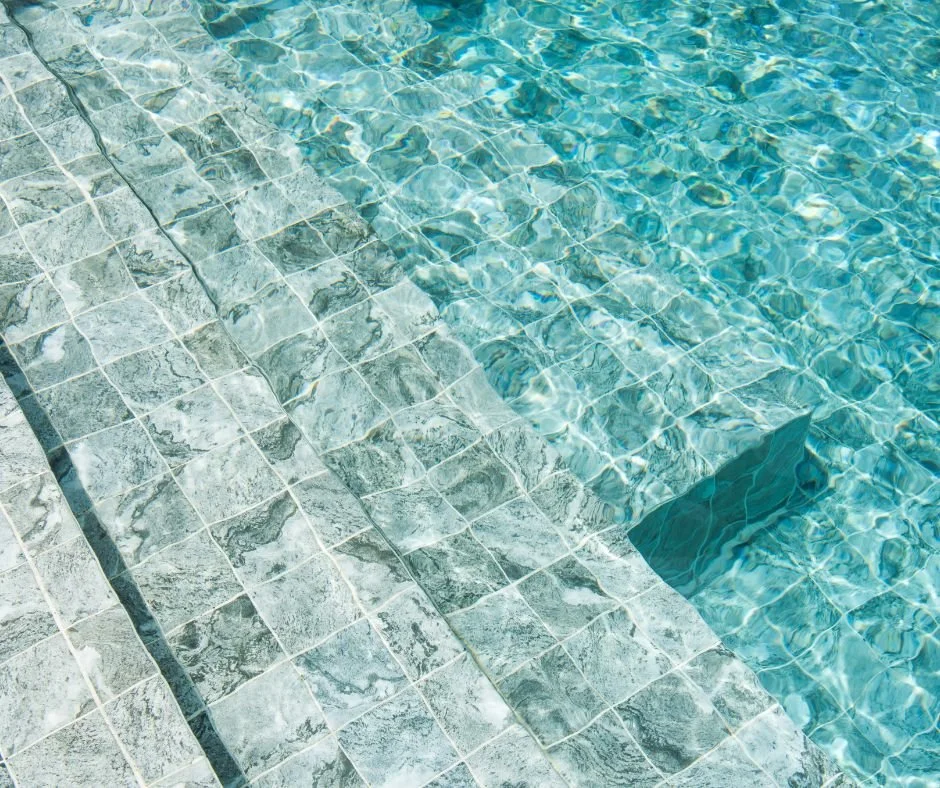
One of the first signs that something may be wrong with your filtration system is cloudy or dull-looking water.
A properly functioning filter helps remove small particles that can make pool water appear hazy.
If your pool remains cloudy even after routine cleaning, your filtration system may need attention.
However, cloudy water doesn't always mean the filter is the problem. Improper chemical balance, insufficient sanitizer, algae, or inadequate circulation can produce similar symptoms.
Before replacing equipment, it's important to identify the actual cause.
A professional pool technician can evaluate water chemistry, circulation, and filtration to determine what needs attention.
2. Your Filter Pressure Is Higher Than Normal
Many pool filtration systems have a pressure gauge that helps indicate how the filter is operating.
As a filter collects dirt and debris, resistance to water flow can increase, causing pressure to rise.
For many systems, a pressure increase of approximately 8–10 PSI above the clean-filter baseline is a common indication that cleaning or backwashing may be needed. However, the correct threshold depends on your equipment manufacturer's instructions.
For example, if your filter normally operates at 12 PSI immediately after cleaning, a reading of 20 PSI may indicate that it's time to inspect the system.
It's important to establish your filter's normal operating pressure rather than relying on one universal number.
If pressure is unusually high or low, or changes suddenly, the system may require professional evaluation.
3. Your Pool Returns Have Weak Water Flow
Have you noticed that water isn't flowing as strongly from your pool's return jets?
Reduced circulation can sometimes indicate a dirty or restricted filter.
When debris accumulates inside the filtration system, it may become harder for water to pass through.
However, weak water flow can also result from clogged baskets, suction-side restrictions, pump problems, or other equipment issues.
The best approach is to evaluate the entire circulation system rather than assuming the filter needs replacement.
Maintaining adequate water flow helps your pool's filtration and chemical distribution work effectively.
4. Your Filter Needs Cleaning More Often Than Usual
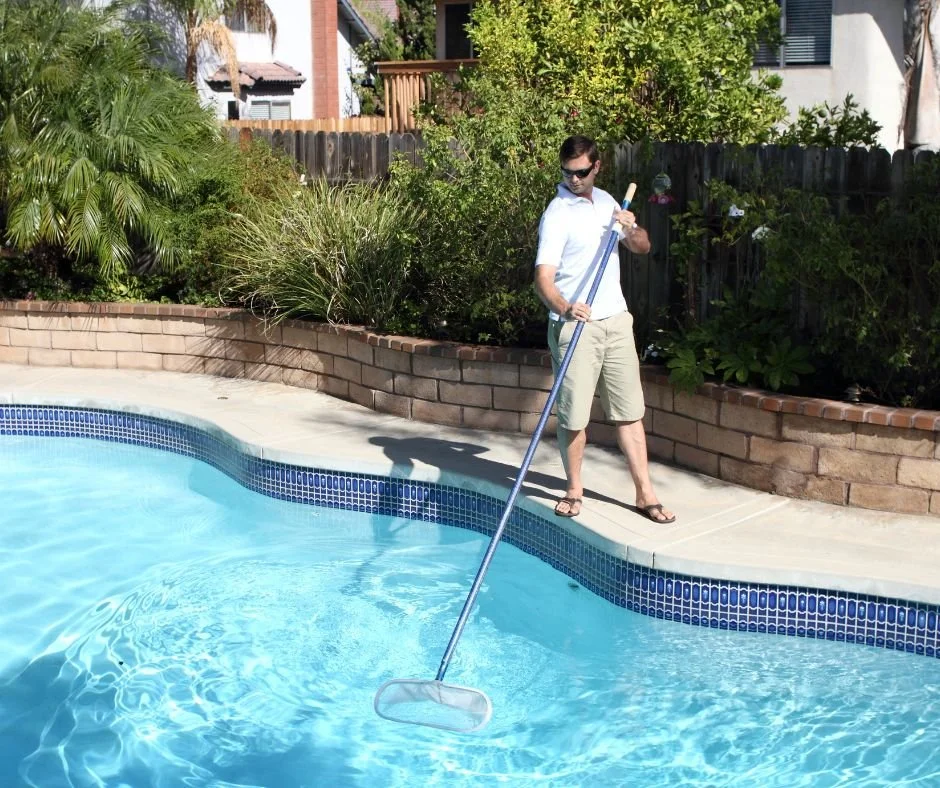
Every pool filter requires periodic maintenance.
But if your filter suddenly needs cleaning much more frequently than before, it's worth investigating.
Several factors may contribute:
Increased dust or debris entering the pool
Heavy swimming activity
Algae or other water quality problems
A filter that's undersized for the pool
Damaged or aging filter components
Changes in pump operation or circulation
In Scottsdale, windy weather and seasonal dust can increase the amount of material your filter needs to capture.
Sometimes frequent cleaning simply reflects unusually demanding conditions.
Other times, it can indicate a problem with the filter or the overall system.
A pool service professional can help determine whether cleaning, repair, or equipment replacement makes the most sense.
5. You Notice Debris Returning to the Pool
Your pool filter is supposed to capture particles, not send them back into the swimming pool.
If you notice dirt or other debris returning through the pool's return jets, a filter component may not be functioning properly.
Possible causes depend on the type of filter.
Cartridge filters may have damaged elements or sealing problems.
Diatomaceous earth filters may have damaged grids or internal components.
Sand filters may develop issues with internal laterals or other parts.
Debris returning to the pool doesn't automatically mean you need an entirely new filter.
In some cases, replacing a damaged internal component may resolve the problem.
A professional inspection can help identify the cause.
6. Your Filter Is Getting Older
Like other pool equipment, filtration systems don't last forever.
However, the useful life of a pool filter depends on its type, construction, maintenance history, operating conditions, and the condition of its components.
A filter tank may remain serviceable for years while internal cartridges, grids, or other parts need replacement sooner.
Age alone isn't enough to determine whether a filter should be replaced.
The more important questions are whether the equipment is functioning correctly, whether replacement parts are available, and whether repairs remain economical.
If your filter is aging or has developed recurring problems, a pool equipment professional can help evaluate your options.
7. You Notice Cracks, Leaks, or Damage Around the Filter
Visible damage around your filtration system should never be ignored.
Pool filters operate under pressure, and damaged components can create serious safety concerns.
If you notice cracks in the filter tank, leaking connections, or other signs of structural damage, turn off the equipment if it is safe to do so and contact a qualified professional.
Never attempt to open a pressurized filter or loosen its clamp while the system is operating.
A cracked or compromised pressure vessel may require replacement rather than repair.
Safety should always come before trying to save an older piece of equipment.
What Type of Pool Filter Do You Have?
Scottsdale homeowners generally encounter three main types of swimming pool filters.
Cartridge filters
Cartridge filters use pleated filter elements to capture particles from circulating water.
They typically require periodic removal and cleaning according to the manufacturer's instructions.
Over time, cartridges can become damaged, worn, or difficult to clean effectively.
Sand filters
Sand filters use a bed of specially graded filter media to capture debris.
Many are cleaned by backwashing, although the exact maintenance procedure depends on the system.
The filter media and internal components may eventually require service or replacement.
Diatomaceous earth (DE) filters
DE filters use a fine filtration medium supported by internal grids or other elements.
They can capture very small particles but require appropriate maintenance and careful handling of the filter media.
Each type has advantages and maintenance requirements.
The best filter for a particular pool depends on its size, plumbing, equipment, and the homeowner's needs.
Should You Clean, Repair, or Replace Your Pool Filter?
This is one of the most common questions homeowners ask.
In many situations, a thorough cleaning is all that's necessary.
If the filter has a damaged cartridge, grid, seal, or other serviceable component, a repair may be the most economical option.
Replacement becomes more likely when the filter tank is structurally damaged, the equipment has recurring problems, or repairs are no longer practical.
Before investing in a new filtration system, it's worth having a professional evaluate the condition of the existing equipment.
A properly selected and maintained filter can help keep your pool clear while supporting efficient circulation.
Why Pool Filter Maintenance Matters in Scottsdale
Scottsdale's desert environment creates unique challenges for swimming pool maintenance.
Fine dust can enter pools during windy weather, even when there are few trees or plants nearby.
Hard water and mineral buildup can contribute to equipment maintenance concerns.
And because many Arizona pools operate throughout the year, filtration systems rarely get an extended seasonal break.
Regular filter maintenance helps support water clarity and circulation while reducing unnecessary strain on equipment.
It also helps homeowners avoid discovering a filtration problem just before a weekend gathering or family pool party.
Can Weekly Pool Service Help Protect Your Filter?
Professional weekly pool maintenance provides an opportunity to monitor your filtration system and identify potential problems.
Depending on your service plan, a technician may observe filter pressure, check circulation, empty baskets, and look for visible equipment concerns.
Periodic filter cleaning may be included in your maintenance plan or offered as a separate service.
Keeping your pool clean and properly balanced can also help reduce unnecessary demands on the filtration system.
While no maintenance routine can prevent every equipment failure, consistent attention can help keep your pool operating more reliably.
Need Pool Filter Cleaning or Repair in Scottsdale?
At The Good Pool Company, we believe your swimming pool should be a source of relaxation, not another maintenance headache.
We're a family- and veteran-owned pool cleaning, maintenance, and repair company serving Scottsdale, Gilbert, and surrounding Arizona communities.
We're proud of our five-star Google reviews and our recognition as a 2025 Nextdoor Neighborhood Favorite.
Whether your pool water is cloudy, your filter pressure seems unusual, or you're wondering whether your equipment needs repair or replacement, we'd be happy to help.
Call or text Justin at 480-294-0055 to learn more about pool maintenance and equipment repair with The Good Pool Company.
Let us help keep your Scottsdale pool clean, clear, and ready to enjoy.